
The performance of the S&P 500 index has recently captured significant market attention, marking its fourth consecutive winning day. This upward momentum is intrinsically linked to evolving geopolitical developments concerning the Middle East, specifically rising expectations for a potential last-minute Iran ceasefire.
Is the Market Reacting to Geopolitical Stability in the Region?
Analyzing the Link Between Conflict Resolution and Stock Performance
The recent surge in the S&P 500 is not merely an isolated event but reflects broader investor sentiment concerning regional stability. When concerns about ongoing hostilities ease, market risk often decreases, leading to increased buying activity across major indices like the Dow and Nasdaq.
Investors are keenly watching for tangible signs of de-escalation. Hopes for a ceasefire directly translate into optimism regarding future economic predictability, which is a fundamental driver for stock valuations. The possibility of an end to Middle East conflicts provides a crucial backdrop against which market movements are assessed.
The Influence of Political Deadlines on Market Volatility
How Trump's Stated Deadline Impacts Stock Trading
Market activity has been closely tied to political timelines, particularly concerning negotiations related to the Iran deal. Reports indicate that stock gains were observed ahead of a reiteration of a deadline set by the administration.
These political milestones introduce an element of uncertainty, yet they also provide specific reference points for traders. The market attempts to price in these political constraints while simultaneously factoring in the potential for diplomatic resolution. The stability offered by such deadlines influences short-term trading behavior on the NYSE.
Live Updates and Trader Activity
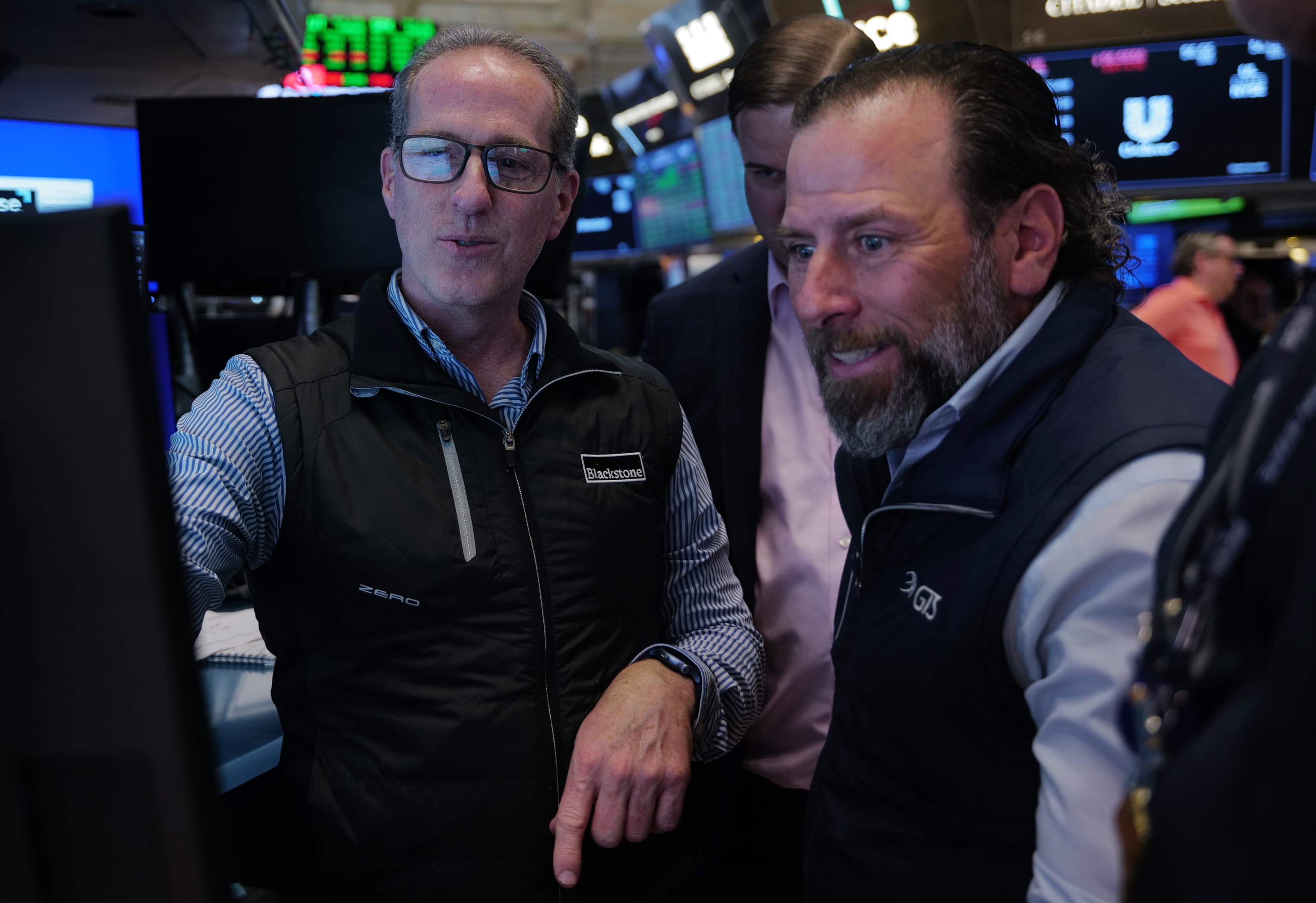
Financial markets remain dynamic. Traders actively work on the floor of the New York Stock Exchange (NYSE), processing information from various sources to make real-time decisions. The movement in the S&P 500 is a direct reflection of this continuous flow of political and economic data.
For example, recent updates show that US stocks experienced gains as hopes emerged for an end to Middle East hostilities. This demonstrates how external diplomatic events are immediately incorporated into stock market performance.
Sustaining Gains Amidst Ongoing Negotiations
Despite the inherent complexities of international relations, the sustained gains in the S&P 500 suggest a level of confidence among investors regarding the potential for a negotiated outcome. Stocks holding on to their recent gains indicate that while political uncertainty remains, the possibility of de-escalation is viewed favorably by the market.
This narrative underscores the importance of external factors—like a potential ceasefire—in shaping financial outcomes. The market is inherently forward-looking, reacting to anticipated events rather than just current conditions.
- Geopolitical Hopes drive Market Optimism
- Political Deadlines influence Trading Behavior
- Regional Stability impacts Stock Valuations
In conclusion, the S&P 500's recent performance highlights the deep interconnection between global politics and financial markets. Investor sentiment is heavily weighted by expectations of peace and stability in the Middle East, demonstrating that economic outcomes are inextricably linked to geopolitical realities.